PROJECT
SOLUTION
Supporting Open Learning and Understanding Teens in Opportunities for Neighbourhoods and Nature
In one sentence
SOLUtION IS
Ensuring adolescents feel heard and inspired with hope for the future. Empowering students to actively contribute to shaping solutions for tomorrow.
The SOLUTION project brings together schools, science organisations, museums, and communities across Europe to help young people tackle global challenges through local action.
Young people today are increasingly aware of issues such as climate change, social inequality, and environmental degradation. However, many feel powerless to make a difference. SOLUTION aims to transform that feeling into hope, creativity, and action.
By connecting formal education in schools with informal learning environments such as museums and community hubs, the project creates dynamic learning ecosystems where students can explore science, sustainability, and innovation in meaningful ways.
Through hands-on activities, dialogue sessions, and community-driven projects, students gain the tools and confidence to become agents of change in their neighbourhoods and beyond.
The project focuses especially on students from underserved communities, ensuring that everyone has the opportunity to engage with science, sustainability, and the future of our planet.
Main Goals
objectives
The SOLUTION project aims to empower students, support educators, and strengthen collaboration between schools and communities.
Empowering Students as Agents of Change
Young people are the creators of tomorrow. The project helps students develop the skills and confidence needed to design and implement solutions to real challenges in their communities. Through project-based STEAM learning, students explore environmental and social issues while creating practical local initiatives.

Supporting Educators
Teachers and educators often seek new tools to address complex global challenges such as sustainability and climate change in their classrooms. SOLUTION provides training programmes, educational resources, and innovative teaching approaches that help educators guide students through meaningful learning experiences.
Connecting Schools with Communities
Real learning happens not only in classrooms but also within communities. The project bridges formal education with informal learning environments such as science centres, museums, and local organisations. Through dialogue sessions and collaborative activities, students, educators, and community members explore challenges together and co-create solutions.
How it works
Target audiences
The SOLUTION project focuses primarily on students aged 10–16 years old, particularly those from underserved or disadvantaged communities. By participating in hands-on STEAM activities and community-based projects, students develop critical thinking, creativity, and problem-solving skills while exploring real environmental and social challenges. The project encourages them to see themselves as active contributors to their neighbourhoods and to the future of their planet.
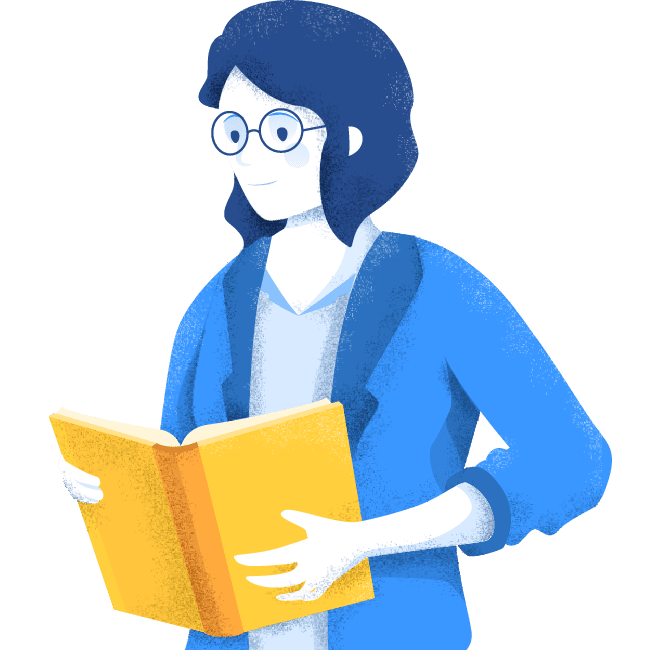
Educators are another key audience of the project. Teachers and informal educators receive training, educational materials, and practical tools that help them introduce sustainability, climate issues, and interdisciplinary STEAM topics into their teaching. These resources support innovative and engaging learning experiences both inside and outside the classroom.
The project also engages local communities by connecting schools with organisations, science centres, museums, and community members. Through dialogue sessions and collaborative activities, these groups work together to identify local challenges and co-create meaningful solutions, strengthening the relationship between education and society.

Dialogue Sessions
Students, educators, and community members come together to discuss local and global challenges such as climate change, sustainability, and social development. These sessions help identify the most relevant issues in each neighbourhood and encourage collaboration.

Educator Training
A “train-the-trainer” model equips teachers and informal educators with tools, teaching materials, and methodologies to address sustainability and STEAM topics in engaging ways.
Educational Activities
Real learning happens not only in classrooms but also within communities. The project bridges formal education with informal learning environments such as science centres, museums, and local organisations. Through dialogue sessions and collaborative activities, students, educators, and community members explore challenges together and co-create solutions.